
Weeks 1–2
Pain
Calm the hip down.
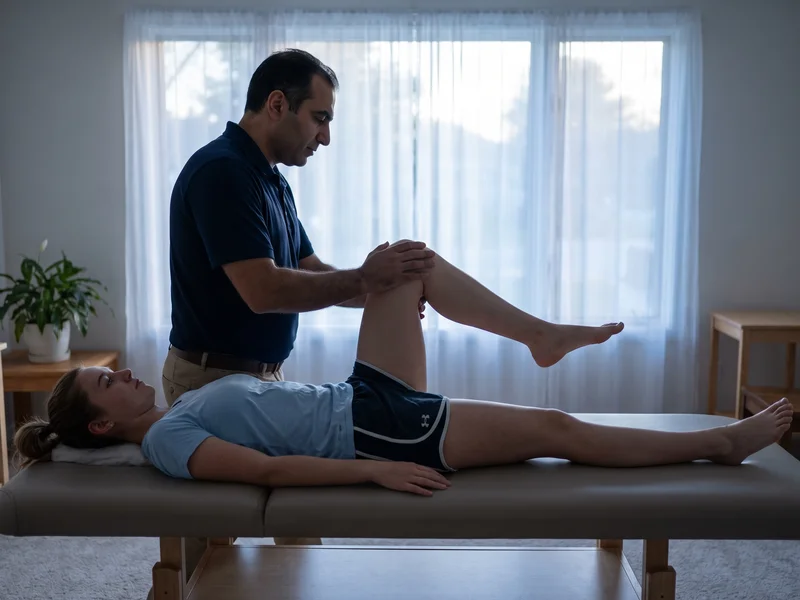
Hands-on techniques calm the irritated joint and take the edge off, starting your very first visit.
What We Treat
That pinch when you cross your legs to tie your shoes: hip bursitis, labral tears, flexors too tight to trust. It's fixable, and it starts with a cause-first evaluation, not a guess.
Sound Familiar?
Two or more? Keep reading.
Why It Happens
Hip pain often comes from the labrum, the cartilage rim that stabilizes the joint, the bursa, a cushioning sac that can get irritated, or tight hip flexors compensating for glutes that aren't pulling their weight.
When the muscles around your hip don't share the load evenly, the joint itself absorbs impact it wasn't built to absorb. A cause-first evaluation sorts out which of those is actually driving your pain.
The Honest Truth
You're the one who gets down on the floor with the grandkids without a second thought. Which is exactly why you haven't mentioned how hard it is to get back up. Nobody regrets starting early. Every week, someone in our clinic says they regret waiting this long.
How We Fix It
Every plan has an endpoint. Here's what the four phases look like.
Weeks 1–2
Pain
Hands-on techniques calm the irritated joint and take the edge off, starting your very first visit.
Weeks 2–6
Prime
Targeted mobility work restores the range of motion that's been quietly guarded since this started.
Weeks 6–10
Perform
Progressive strengthening builds the glute and core stability that was missing in the first place.
Weeks 10+
Prevent
Real-world squatting, stairs, and walking get tested under load before you're cleared to go all-in, that's the endpoint, not just another appointment.
Amazing doctor and staff! Always there to help in any way and then some. I love the family feeling you get there and the interest everyone has not only in you the patient but your family and friends. The doctor even went as far as helping me find a piece of exercise equipment on marketplace for my home. Burleson, Texas is very fortunate to have Dr. Pepper Physical Therapy in their town!
Julie G. · Hip Pain
Before: feeling like just another appointment on the schedule
After: a doctor who helped her find home workout equipment, because he cared that much
Questions, Answered
Usually not, and it's rarely the first step for hip pain. We start with a hands-on evaluation to find what's actually driving your symptoms, and if imaging ever becomes genuinely necessary, we'll help you get it. You don't have to wait on a scan to start feeling better.
In most cases, yes, and movement helps more than rest does. Total rest tends to make the hip stiffer and the surrounding muscles weaker, which sets up the next flare-up. The key is dosing the right movement for you, which is exactly what a Doctor of PT sorts out at your evaluation, then progresses safely as you improve.
Most patients feel meaningful change within 4–6 visits. A full plan runs through all four phases, Pain, Prime, Perform, and Prevent, typically over 8–10 weeks, depending on how long you've been dealing with it. Either way, you get a plan with an endpoint: you'll always know which phase you're in and what's left.
Book Your Visit
Request a time and a real person calls you back, usually within two business hours. No phone tree. No ‘someone will reach out.’ Just a plan.
5.0 · 250+ Google reviews
Typical response: under 2 business hours
Step 1 of 5
That’s the hard part done. We’ll call during business hours to lock in your time. Most people are on the schedule same week.
Visit Us